
Why attic mold costs what it costs
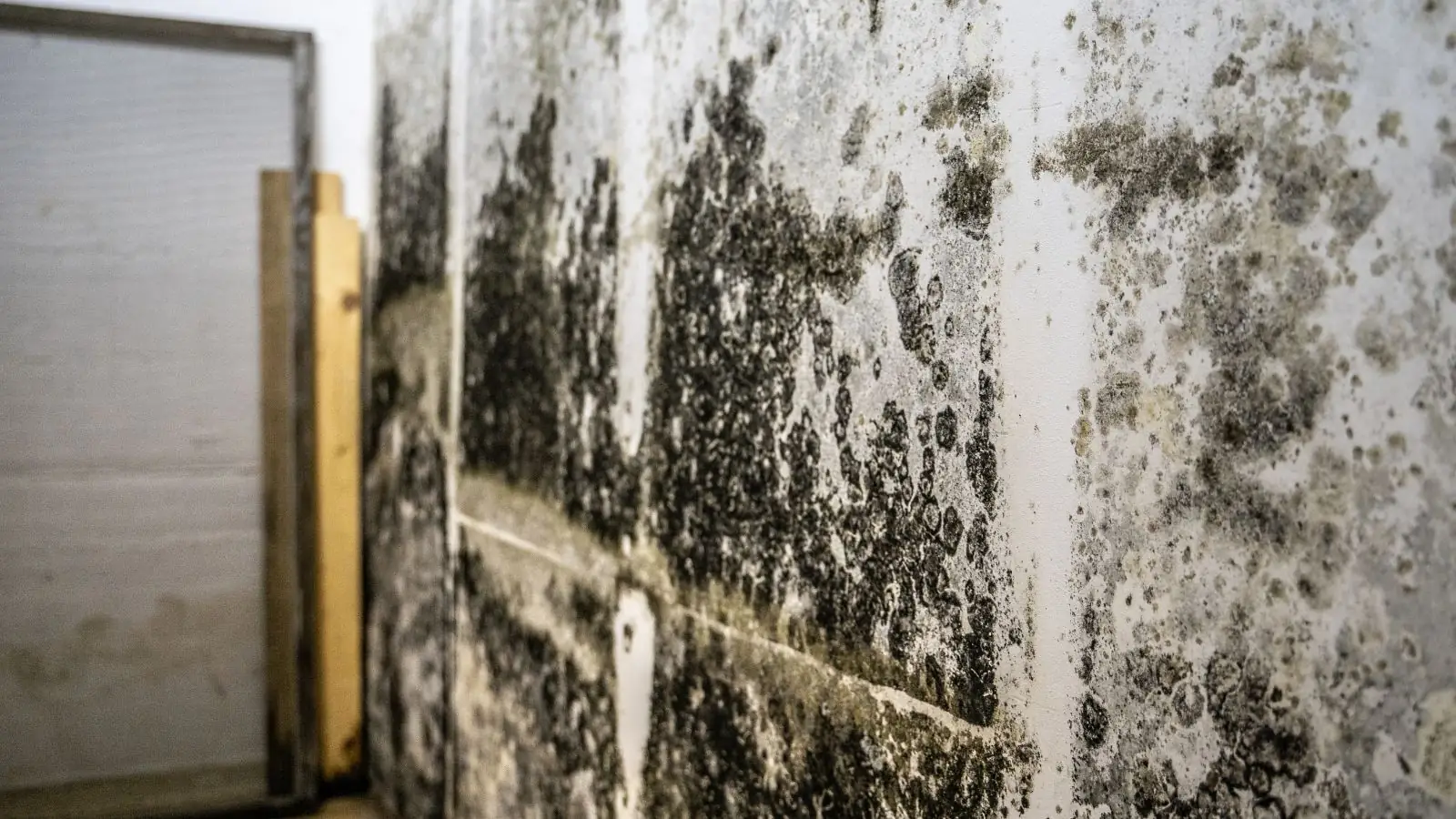
Attic mold removal is rarely one task. Someone has to find why the attic got damp, remove or clean what is affected, contain the area so the rest of the house stays clean and then confirm the result. Each of those carries labor, equipment and time, so an honest price comes from a scope written after an inspection.
This page lists the factors instead of dollar amounts, because a figure without those factors behind it does not describe your attic.
| Factor | How it changes the job |
|---|---|
| Area of growth | A few roof sheathing stains differ from a whole attic of coated framing. |
| Material affected | Growth on wood framing is cleaned. Insulation that grew mold is usually removed. |
| Access | Low pitch, tight spaces and long runs take more time and gear. |
| Containment | Sealing the attic hatch and running filtered air adds equipment and labor. |
| Source repair | A roof leak, a bath fan venting into the attic or a condensate line leak must be fixed by the right trade. |
| Testing | An assessment and a clearance test are separate from removal. |
| Rebuild | New insulation and any replaced sheathing are separate line items. |
Factors, not prices.
Common causes in North Texas attics
- A roof leak around a vent, chimney or flashing
- A bath or kitchen fan that vents into the attic instead of outside
- A clogged or failed air conditioner condensate line
- Poor ventilation that lets warm, humid air condense on the cool underside of the roof deck
- Wet insulation left from a past storm that was never dried
Fixing the cause is not optional. If it is a roof, a roofer comes first. If it is a drain line, an HVAC or plumbing contractor comes first. The EPA says controlling moisture is the way to control mold, and no cleaning outlasts a wet attic.
Storms and attic moisture in Colleyville
The National Weather Service says large hail, damaging wind and flooding reach the Dallas-Fort Worth Metroplex nearly every year, with spring the peak season for severe weather. A roof that took a hit in spring can let water into an attic for months before a ceiling stain shows up.
The Texas Department of Insurance says most home policies cover mold on a covered damaged item but do not pay for mold testing and cleanup after the damaged item is removed, and that mold from a gradual leak or flood is not covered. Ask your insurer which applies to your loss before you remove materials.
What the work looks like
- Inspection and moisture readings to find where the moisture is and whether it is still active.
- Containment of the attic opening with plastic and negative air.
- Removal of affected insulation and any damaged material.
- HEPA vacuuming and cleaning of framing and sheathing.
- Drying and a check that readings are normal.
- Replacement of insulation and repair of the roof or vent that caused the problem.
The work follows the S520 standard for professional mold remediation, which you can ask any company about. The mold remediation page explains the Texas testing and clearance rules, which keep the assessor separate from the remediator.
How to compare quotes
- Does the quote say whether testing and clearance are included or separate?
- Does it describe containment and air filtration?
- Is insulation removal and replacement priced by area?
- Does it name who will fix the source of the moisture?
- Is there a written protocol before work begins?
If the attic leak came from a storm and water reached the ceiling below, the water damage repair page explains rebuilding. Homes in Southlake and Euless are served by the same line.
Insulation types and what happens to them
| Insulation | If wet or moldy | Usual outcome |
|---|---|---|
| Fiberglass batts | Holds water, supports growth on the paper facing | Removed and replaced |
| Blown-in fiberglass or cellulose | Absorbs and holds water, can clump | Vacuumed out and replaced |
| Spray foam | Resists water, but surface growth can occur on dusty areas | Cleaned, with the decking checked |
| Radiant barrier | Can trap moisture against decking | Checked and replaced if damaged |
A crew confirms on site.
Insulation replacement is one of the larger line items in an attic job, which is why it appears as its own line in a scope. If your attic has blown-in insulation, the crew uses a vacuum to remove it and then cleans the framing before new insulation goes in.
Safety in an attic
Attics are hot in a North Texas summer, hard to move around and unforgiving of a misstep through the ceiling. Do not go into a hot attic to inspect for mold. Joists carry weight, and the drywall between them does not. Crews use boards to walk across framing and protective equipment to avoid inhaling dust.
If you must look, do it in the cool part of the day with a flashlight and from the attic hatch only. Any growth you see goes in your photos, and the rest is the assessor's job.
On framing and sheathing, surface cleaning is common. Insulation with growth or water damage is usually removed because it holds moisture.
Yes. Poor ventilation can bring the moisture back. A roofer or HVAC contractor should check it.
Possibly when it results from a covered sudden event. Texas Department of Insurance guidance says most policies do not pay for testing and cleanup after the damaged item is removed. Your policy decides.
Often not, because containment keeps the work isolated. The crew will tell you if your situation is different.