

Flood damage versus other water damage
Flood damage restoration deals with water that arrived from outside the plumbing: storm runoff, rising water around the foundation, groundwater or a sewer line that backed up. The source matters because that water was never clean. It crosses yards, streets and drains before it reaches your floor, and it can carry bacteria, chemicals and debris.
A burst supply line is different, since the water starts clean. If that is your situation, emergency water removal is the better starting point. If the water is gone and the walls and floors are still damp, the water mitigation page explains drying.
The three water categories and what each one means
| Category | Typical source | What is done |
|---|---|---|
| Category 1, clean | Supply line, faucet, rain through a roof after it falls | Extract and dry in place. Materials can often be saved if the loss is caught fast. |
| Category 2, gray | Washing machine or dishwasher overflow, aquarium, sump pump failure | Extract, clean and treat. Carpet pad and porous materials are often removed. |
| Category 3, black | Sewage backup, storm flooding, any water from outside the building | Protective gear, removal of affected porous materials, cleaning and disinfecting. |
These categories come from the ANSI/IICRC S500 water damage restoration standard. Ask any company whether its crews work to it.
Water can also move up a category with time. Clean water that sits in wet carpet for days picks up bacteria and can become gray. That is one more reason a slow response costs more later.
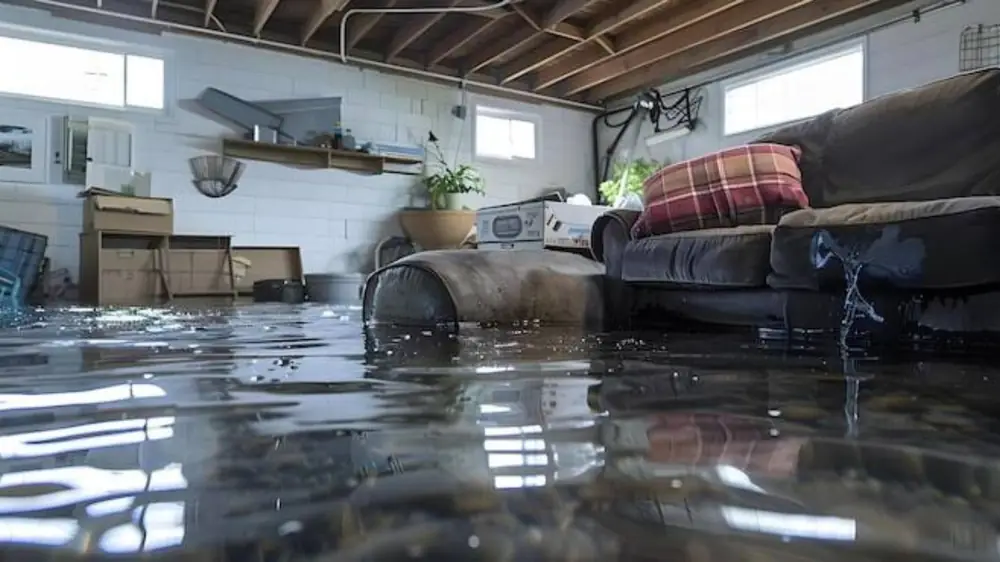
Flooding in a Colleyville storm
The city's own Stormwater Quantity page says floodplains are designed by nature to flood, that creeks can only hold so much water, and that flash flooding generally begins at about one inch of rain per hour. It also reports floodgates at six locations and inspections of storm inlets and outfalls twice a year. Those are the facts the city publishes, and they tell a homeowner two things.
First, a heavy cloudburst can overwhelm drainage quickly even when the neighborhood looks dry an hour earlier. Second, flood risk is specific to your lot. The Engineering Division in Public Works handles floodplain administration, so ask the city whether your address sits near a regulated floodplain, and look up your address on the FEMA Flood Map Service Center before you decide how much flood insurance you need.
North Texas rain also arrives with hail and wind. The National Weather Service says large hail, damaging wind and flooding reach the Dallas-Fort Worth area nearly every year, with spring the peak season. A storm that damages a roof can send rain into ceilings and attics at the same time the yard floods.
What to do if flood water is in the house
- Stay out of the waterDo not wade through it. Flood water can hide sharp debris and can be electrified if it reaches outlets or the panel.
- Power and gasTurn off power at the breaker only if the panel is dry and you can reach it standing on a dry floor. Call 911 or your utility for sparks, shocks or a gas smell.
- Photograph firstTake photos and video of the waterline and damaged items before anything is moved or thrown out.
- Do not use drainsIf sewage is involved, stop running water in the house so you do not add to the backup.
Sewage backup cleanup: safety first
A sewage backup is a Category 3 loss. Raw sewage in a tub, floor drain or toilet means the water carries pathogens, so nothing in the affected area is treated as a salvage job by default. Porous materials such as carpet, pad, drywall and insulation that touched it are removed, and hard surfaces are cleaned and disinfected.
Keep children, pets and anyone with a health concern out of the area, and do not try to clean it with household tools. If the backup came from the city sewer main, call Colleyville Public Works first. If it came from your own line, a plumber has to clear it before cleanup can last. Questions about your health after exposure belong with a physician.
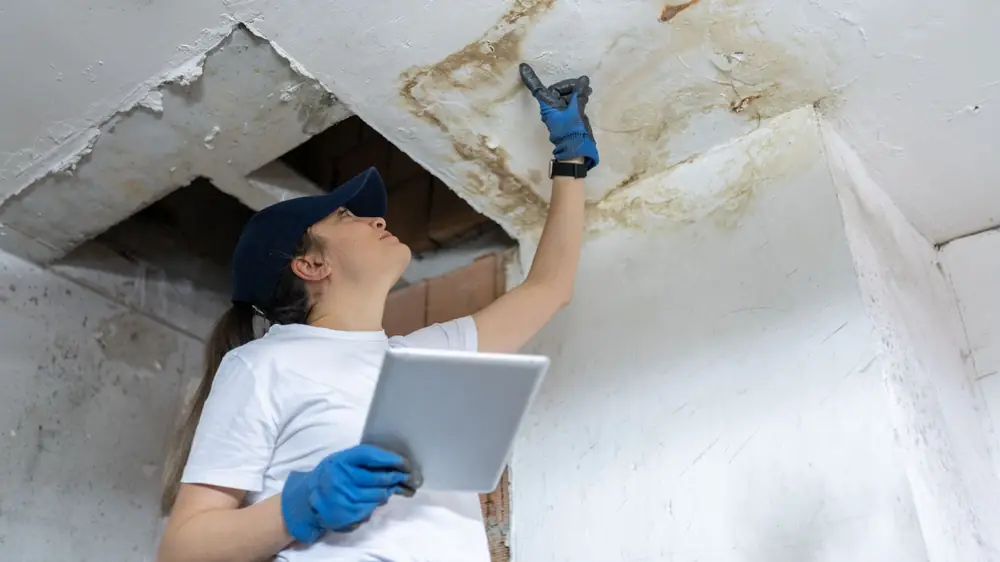
Lower-level and crawl space flooding
Not every Colleyville home has a basement, but some have lower levels, garages that sit below grade or crawl spaces, and all of them hold water in places you cannot see. Water in a crawl space soaks subfloor framing and insulation from below and does not dry on its own. Water that reaches the lowest finished level of a house can spread under baseboards and into wall cavities within hours.
The crew pumps the water out, measures how far it reached and removes materials that cannot be dried. Cleaning follows, then drying and monitoring. Restoration is not waterproofing, though. If water keeps entering, a drainage or foundation specialist has to solve the cause, and we will tell you that plainly instead of drying the same room twice.
Flood damage and your insurance policy
The Texas Department of Insurance says standard homeowners policies do not cover flood, and that mold from a flood is not covered either. Flood coverage is a separate policy. Sudden and accidental water damage inside the house, such as a burst pipe, is treated differently, which is why the source of the water matters to your claim.
Read your policy and call your insurer or agent early. Our crews write down the water category, the areas affected and what was removed, so you have documentation for whatever your policy allows. We never promise that a claim will be approved.
Flood water in your home?
Call the 24/7 line. We will explain the scope and the price before work starts, and you decide whether to go ahead.
How the price of flood restoration is set
Flood work is priced from the water category, the number of rooms, the materials that must be removed, the days of drying and the rebuild afterward. Category 3 water costs more to handle because of protective gear, disposal and disinfection. Call (817) 623-9267 for a plain explanation before anyone starts.
If you live nearby, the same dispatch serves Keller, where the city's own stormwater and floodplain pages show how local drainage works.
Yes. The dispatch line answers 24 hours a day. After a storm, calls stack up, so same-day response is available when a crew is free and the dispatcher will tell you what to do while you wait.
Usually not. Texas Department of Insurance guidance says standard homeowners policies do not cover flood, which needs a separate policy. Check your policy and ask your insurer what applies to your loss.
It depends on the water. Clean water from a broken pipe is a different risk than sewage or outdoor flood water. Ask the dispatcher, and leave if the water may be contaminated or touching electrical equipment.
Restoration dries, cleans and repairs what the water damaged. Waterproofing and drainage work stop water from entering again. Both may be needed, and they are different trades.
Use the FEMA Flood Map Service Center and ask the City of Colleyville Engineering Division, which handles floodplain administration. Do not rely on how the neighborhood looked in the last storm.