
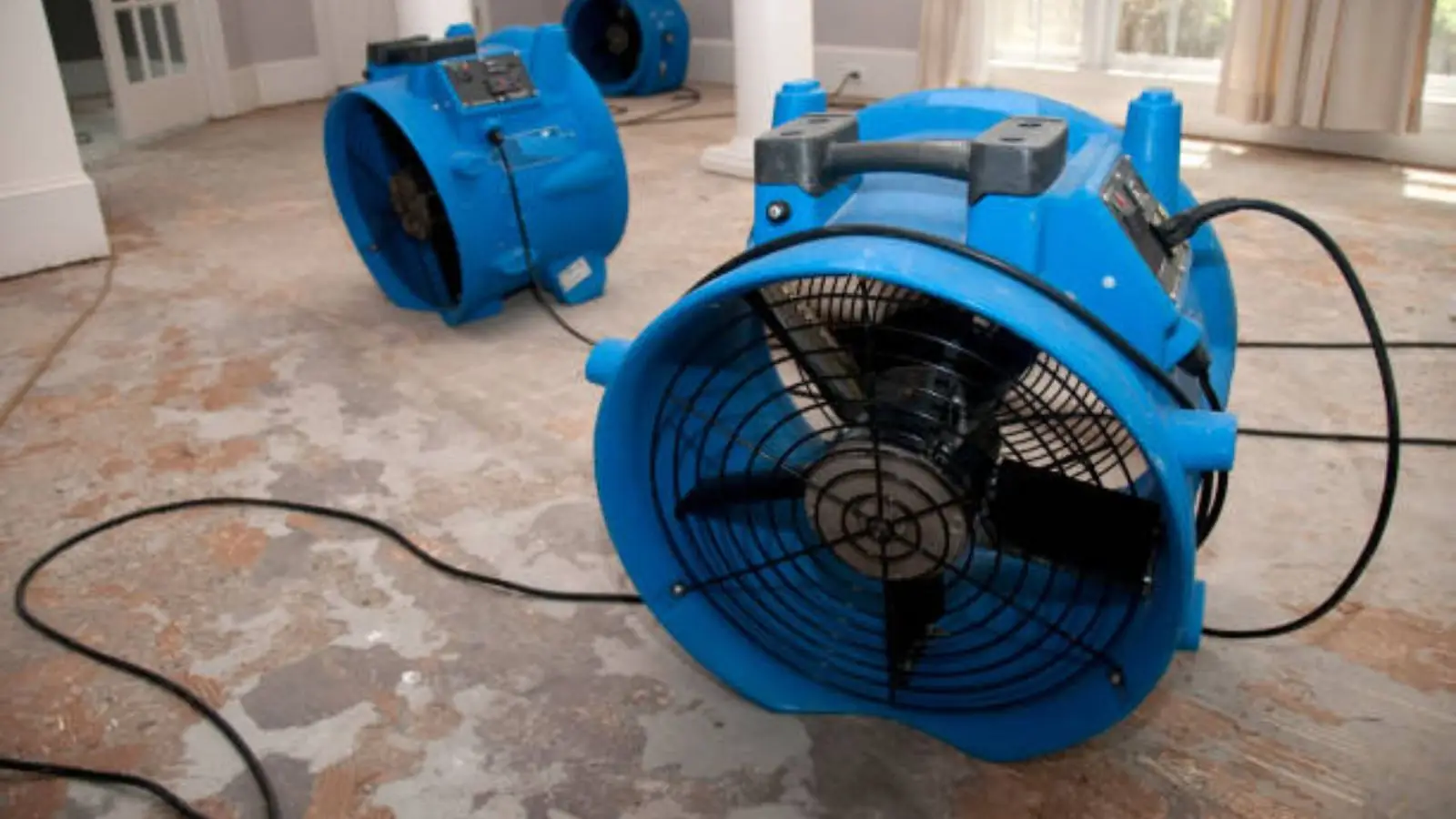
My wall is wet and the carpet is soaked: is that water mitigation?
Yes. People rarely search for the trade name when water is spreading. They type that the wall is damp, the carpet squishes or a ceiling stain keeps growing. Water mitigation is the name for the work that answers those problems: stop the source, remove what is wet beyond saving and dry the rest before it breaks down.
Mitigation is not the rebuild. It comes first, and its goal is to keep the loss small enough that water damage repair later means fewer materials and less cost. If standing water is still present, begin with emergency water removal and then move to drying.
When water mitigation becomes an emergency
Any leak that is still running or any structure that is soaking after the water stops is time-sensitive. The EPA advises drying wet materials within 24 to 48 hours to prevent mold growth, and Texas A&M AgriLife Extension gives a similar guideline. That window is why we answer at night and on weekends.
If it is after hours, call anyway. A dispatcher can tell you to shut off the main valve, what to unplug and what to move, and a crew can be sent the same day when one is available. Nothing about drying works faster if you wait for office hours.
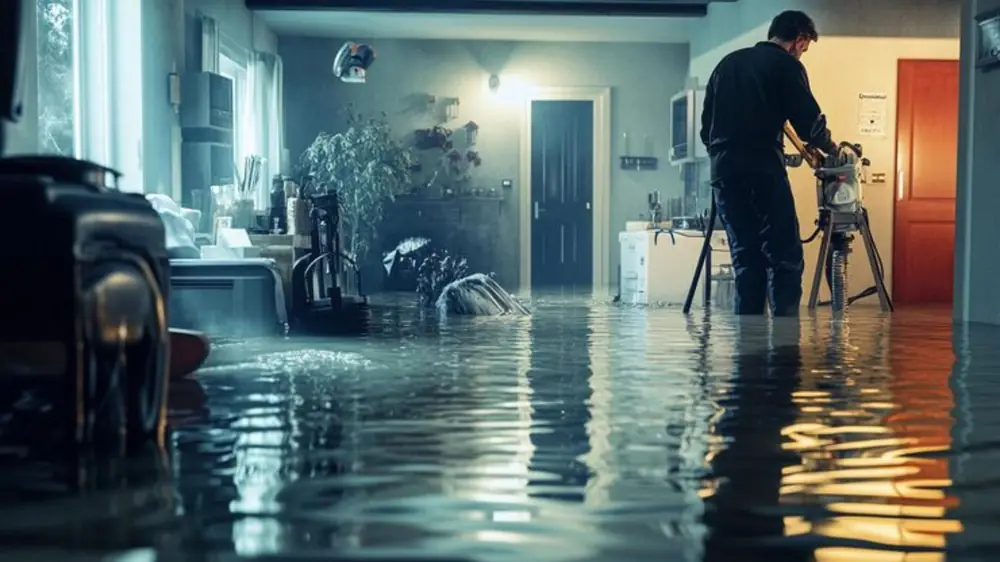
What happens in the first 72 hours
- 1
Stop the source
The main valve is shut, and the leak is identified so it does not restart.
- 2
Map the moisture
Moisture meters and a thermal camera show wet areas that look dry from the surface.
- 3
Remove and extract
Standing water goes first, then wet carpet pad, insulation and drywall that cannot be dried.
- 4
Set the equipment
Air movers and dehumidifiers start the drying. Readings are recorded each visit.
The equipment, in plain words
- Moisture meters read how wet drywall, wood and subfloor are, which a hand cannot tell.
- Thermal imaging cameras show cool, wet areas behind walls and under floors.
- Air movers are the low, loud fans that push air across wet surfaces to evaporate moisture.
- LGR dehumidifiers pull the evaporated water out of the air so it does not settle back into the house.
- Desiccant dehumidifiers are used in some conditions where a standard unit cannot reach the target.
The goal is a dry standard. A crew sets drying goals from the readings on unaffected materials in your own house and checks daily until the wet materials match them. Equipment that comes off too early leaves moisture in framing, and that is how mold appears a few weeks later.
People sometimes ask about renting air movers and dehumidifiers. Drying works only when the equipment is placed and monitored correctly, so this site does not offer equipment rental. The crew handles placement, daily readings and pickup.
Structural drying: how long it takes
Structural drying usually takes several days, and the number depends on the water category, the materials and the humidity in the house. Hardwood and subfloor dry slowly. Drywall dries faster, and concrete slab dries slowest of all. The crew checks and records moisture every visit, so the end date is based on readings and not a guess.
| Material | How it holds water | Typical outcome |
|---|---|---|
| Drywall | Absorbs quickly, wicks upward | Often dried in place if caught early, cut out if saturated or contaminated |
| Carpet pad | Acts like a sponge | Usually removed even when the carpet is saved |
| Hardwood floor | Swells and cups as it absorbs | Special drying mats can help, but some boards are replaced |
| Insulation | Holds water against framing | Wet batts are removed so the cavity can dry |
| Concrete slab | Slow to release moisture | Dehumidifier time is longer, flooring waits for readings |
Real outcomes depend on readings taken at your house.
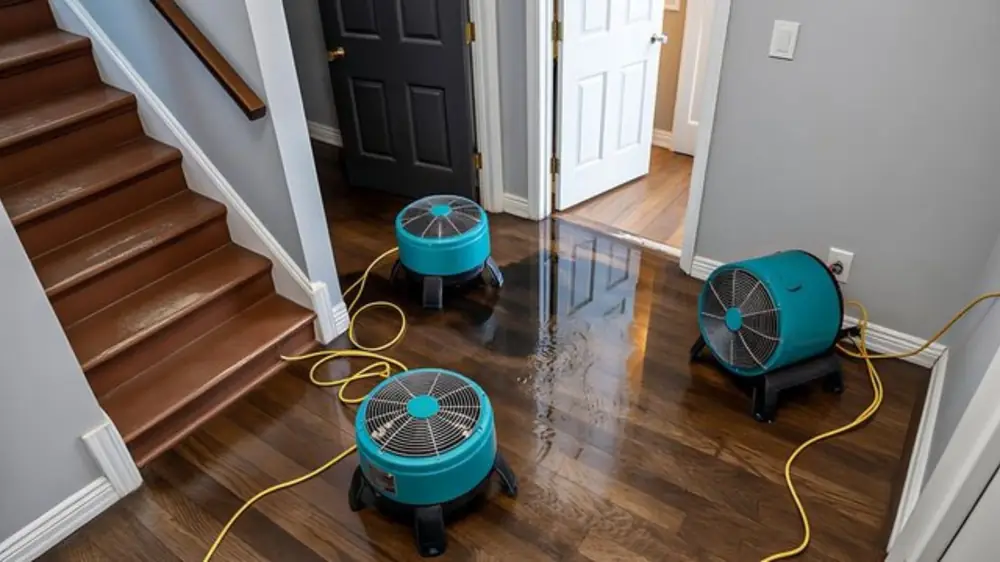
Documentation that helps your claim
Each visit records moisture readings, equipment placement, photos and a list of what was removed. The Texas Department of Insurance advises homeowners to protect the property from further damage and to let the insurer see the loss before permanent repairs begin. That written trail is what you hand your adjuster, and it makes the claim conversation about facts instead of memory.
Coverage itself comes from your policy. TDI says most homeowner policies cover sudden and accidental water damage, but gradual leaks and flood are usually excluded. We never promise that a claim will be approved.
Mitigation in Colleyville homes
Census figures show that 96.7 percent of Colleyville's housing units are owner-occupied and that the median home value for 2020 to 2024 is $784,900. Higher-value houses often carry hardwood, stone, custom millwork and built-in cabinetry, and these materials can lose value fast if drying is slow or guessed at. A written drying plan and daily readings protect those finishes better than a one-visit fix.
The same dispatch covers neighboring towns. Southlake homeowners often ask about this process for similar high-finish houses.
Water spreading through the walls?
Call the 24/7 line. A dispatcher explains the scope and the price before work begins, and you decide whether to go ahead.
What mitigation costs and how it is priced
The price follows the work: how many rooms are wet, how many pieces of equipment are needed, how many days they run and how much material has to come out. Call (817) 623-9267 for an explanation of how it works on a house like yours. We do not publish a number here because no honest number exists before someone reads the meters.
Yes. The dispatch line is answered 24 hours a day. After-hours calls get the same questions and the same plan, and a crew can come the same day when one is available.
Drying usually runs several days. The crew records moisture readings on each visit and removes equipment only after wet materials match the dry standard set for your house.
For a small damp spot caught right away, maybe. For wet walls, soaked pad or any water in cavities, household equipment seldom reaches the moisture, and mold can follow. Ask the dispatcher whether your loss is small enough.
Only what readings show cannot be dried. Wet insulation is removed, and drywall comes out when it is saturated or contaminated. Small inspection holes or cut-outs come first.
Dry readings against your own house's standard are the best sign. If a musty smell or visible spots show up later, the mold remediation page explains the next step.