
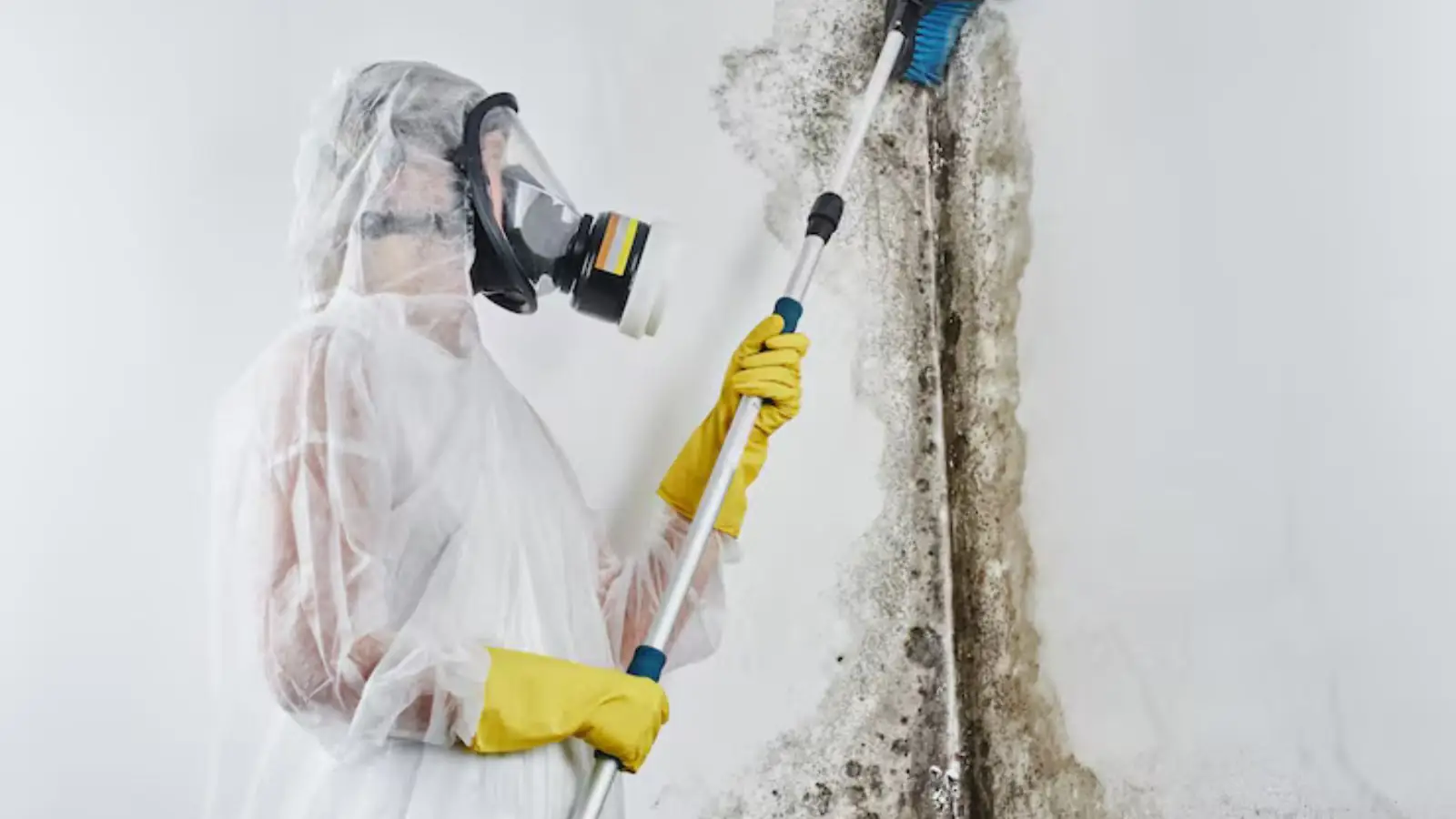
A musty smell, dark spots in a closet or a stain on the ceiling
Most people do not search for mold remediation first. They notice a smell in a closet, spots on the corner of a bathroom ceiling or a wall that stays damp after a leak. These are the signs that bring callers here, and they usually point to the same cause: water that sat somewhere long enough for mold to take hold.
The first question is not what to spray. It is where the water came from. A dripping toilet supply, a clogged air conditioner condensate line, a roof leak, a shower seal or a window can all keep a surface wet. Until that source is fixed, any cleaning is temporary. The water mitigation page describes how the drying side works.
What mold remediation involves
- 1
Find the moisture
A crew locates the source and reads moisture in the surrounding materials.
- 2
Contain the area
Plastic barriers and negative air keep spores from spreading to other rooms.
- 3
Remove and clean
Affected materials are removed, and remaining surfaces are cleaned with HEPA vacuuming and damp wiping.
- 4
Confirm and dry
The area is dried to normal readings and checked before rebuild begins.
ANSI/IICRC S520 is the published standard for professional mold remediation, and you can ask any company whether its crews work to it. The standard describes containment, air filtration, removal methods and verification, which is why a careful job looks like a construction project and not a quick wipe-down.
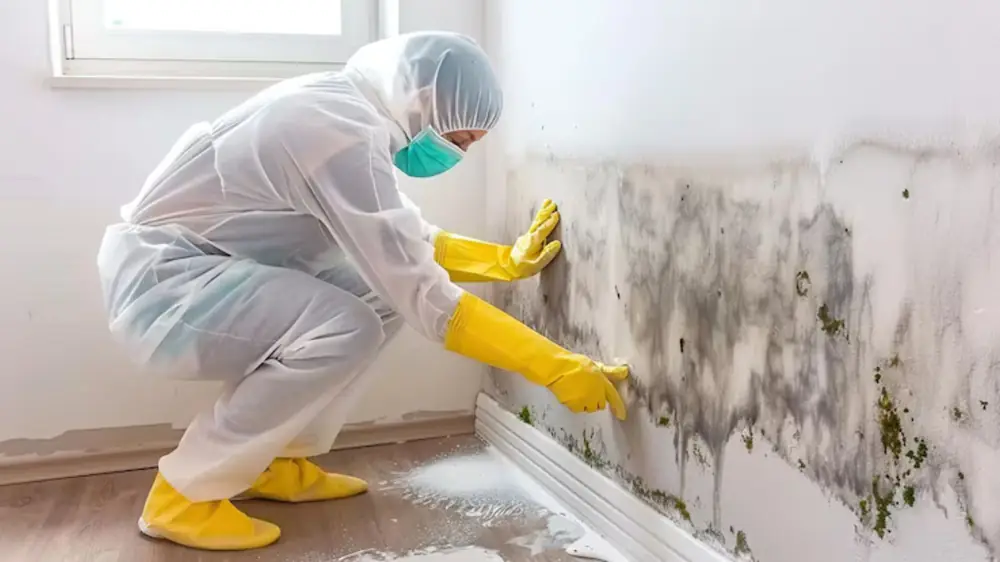
Mold removal and black mold cleanup
The word black mold gets used for any dark growth, but the color alone does not tell you what it is. Testing can identify what is present, and the more useful question is how much of the building is affected and how long it has been wet. Removal means taking out porous materials such as drywall, insulation and carpet where growth is established, and cleaning solid framing and hard surfaces.
Do not scrub, bleach or sand the area before an assessment. Disturbing it can spread spores through the house, and that makes the job larger. Health questions about exposure belong with a physician, and we do not make health claims about mold.
Mold after water damage
Texas A&M AgriLife Extension and the EPA both say wet materials should be dried within a day or two, and the EPA puts the window at 24 to 48 hours. When a leak is found late or the house is not dried properly, mold can start in the wall cavity, behind baseboards or under flooring where nobody is looking. A crew that finds mold after a water loss often needs to repair what the drying missed.
That is why a dry reading matters as much as a clean-looking surface. If your house had water damage in the past few weeks and now smells musty, call and mention the date of the leak. The water damage cleanup page explains how wet material is removed in the first days.
Testing, protocol and clearance in Texas
Texas runs a mold program through the Texas Department of Licensing and Regulation, which licenses people and companies who assess and remediate mold. Its FAQ says a licensee cannot perform both the mold assessment and the mold remediation on the same project, and that clearance requires a post-remediation assessment. Rules under the state program also say the written protocol must be given to the client at least one calendar day before remediation starts.
Exemptions depend on the type of property, and single-family houses are treated differently from large rental buildings. Ask any company you consider what license it holds and whether your job falls under the state rules. For independent clearance testing, many homeowners hire a separate assessor who has no stake in the remediation.
| Question to ask | Why it matters |
|---|---|
| What license does the company hold under the state program? | Texas licenses mold assessors and remediators separately. |
| Who writes the protocol and who does the clearance? | TDLR says assessment and remediation cannot be done by the same licensee on one project. |
| Will the work follow the S520 standard? | It defines containment, removal and verification. |
| Will I get the protocol in writing before work starts? | State rules require the protocol be given at least one calendar day ahead. |
Based on TDLR guidance. Verify license status on the TDLR site.
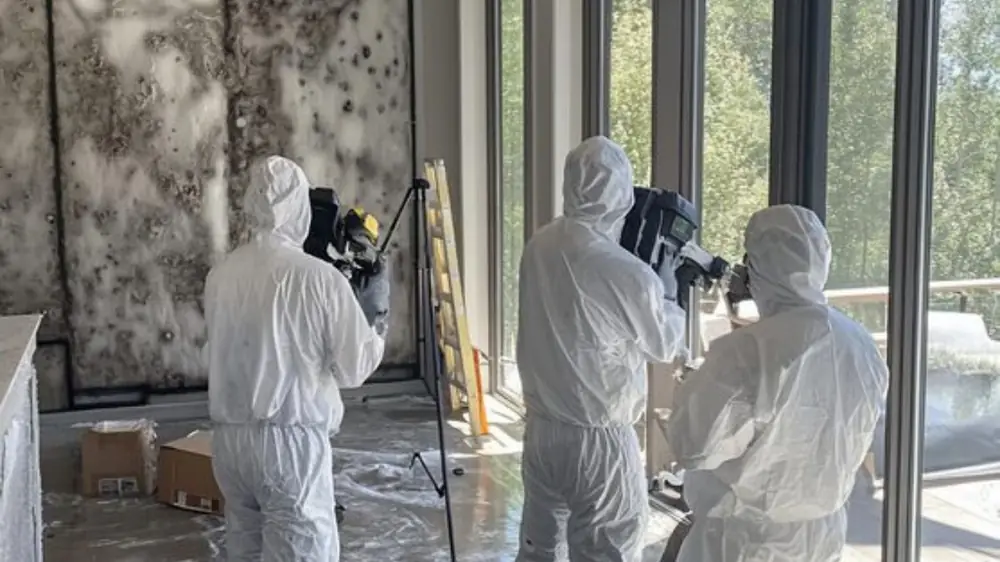
Selling a house or closing a loan with mold on the record
Some buyers' lenders will not fund until visible mold is removed and the area is confirmed clean. Requirements vary by lender and by inspector, so we cannot promise what a particular lender will accept. A written protocol, a remediation record and a clearance report from an independent assessor give your agent and lender something concrete to review.
Insurance and mold coverage
The Texas Department of Insurance says mold on a covered damaged item can be covered, but most home policies do not pay for mold testing and cleanup after the damaged item is removed. Mold that results from flood is not covered, and neither is mold from a gradual leak. Its guidance also tells homeowners to use a state-licensed mold professional and get a certificate of removal. Check your policy before you decide anything.
Mold or a musty smell?
Call (817) 623-9267. We will explain the plan, the testing options and how the price is built before work starts.
What drives the cost of mold work
Factors, not prices
A written scope is the only honest source of a number for your house.
- How much surface area and how many rooms are affected
- Whether drywall, insulation or flooring has to be removed
- Containment and air filtration needed
- Whether the source leak is already fixed
- Testing and clearance, which are separate from removal
Keeping moisture down afterward
The EPA says controlling indoor moisture is the way to control mold, and suggests keeping indoor humidity below 60 percent and ideally between 30 and 50 percent. Run bathroom fans, fix condensate and plumbing drips quickly and watch closets on exterior walls. The same dispatch handles neighboring towns, including Keller.
Mold needs moisture, so there is always a moisture source. It may be a recent leak, a slow one or high humidity. A crew reads the surrounding materials to find out which.
You do not have to. Testing helps document what is present and later confirms clearance, and Texas rules separate the assessor from the remediator. Ask the dispatcher how to arrange it.
Small surface growth on a hard, non-porous surface is sometimes cleaned by homeowners, but if it keeps returning or sits in drywall, the moisture source is still active. Call to talk it through.
We cannot promise that. Mold needs moisture, so the leak must be fixed and the area dried. If moisture returns, mold can too.
Clearance should come from an assessor with no stake in the remediation. Ask the dispatcher how that is arranged so the assessor and the remediator stay separate.