
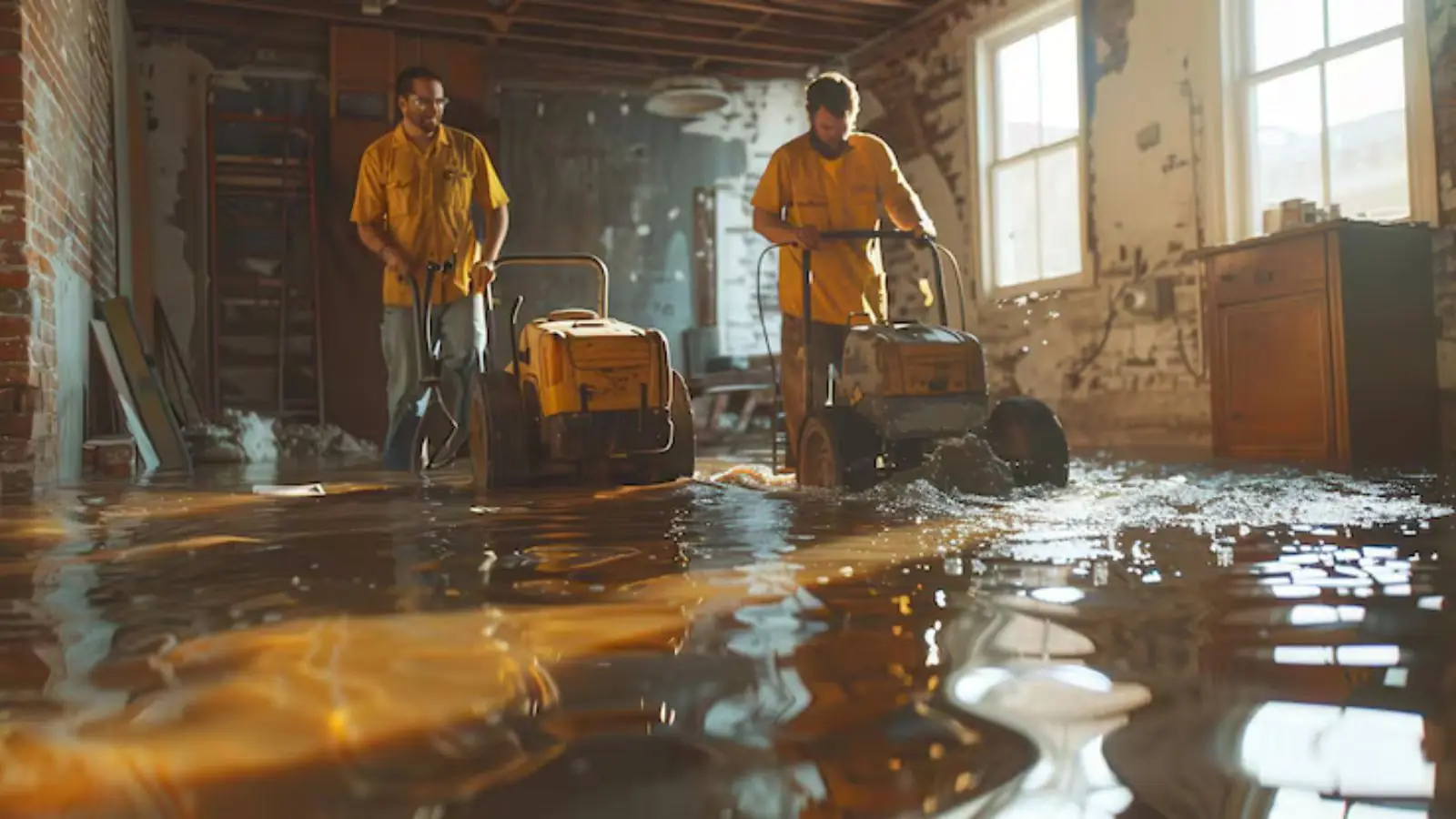
What water damage cleanup covers
Water damage cleanup is the removal and cleaning that follows a leak or flood. It includes hauling out wet materials, cleaning and sanitizing surfaces the water touched, handling soaked belongings and treating odors before they set. It sits between the early work of water mitigation and the rebuild described on the water damage repair page.
People search this term when the water has stopped but the house still looks and smells like a loss. The job turns on one question that decides everything else: how clean was the water when it started?
Cleanup in the first 48 hours is an emergency
Wet materials that stay wet start to grow mold and bacteria. Texas A&M AgriLife Extension advises drying water-soaked areas within 24 hours, and the EPA gives a window of 24 to 48 hours. If you are inside that window, call the 24/7 line now and ask about same-day response.
If the water was gray or black, cleanup is also a safety job. Do not handle sewage or outdoor flood water without protective gear, and keep children and pets out of the area until a crew has looked at it. The flood damage restoration page explains what each water category means.
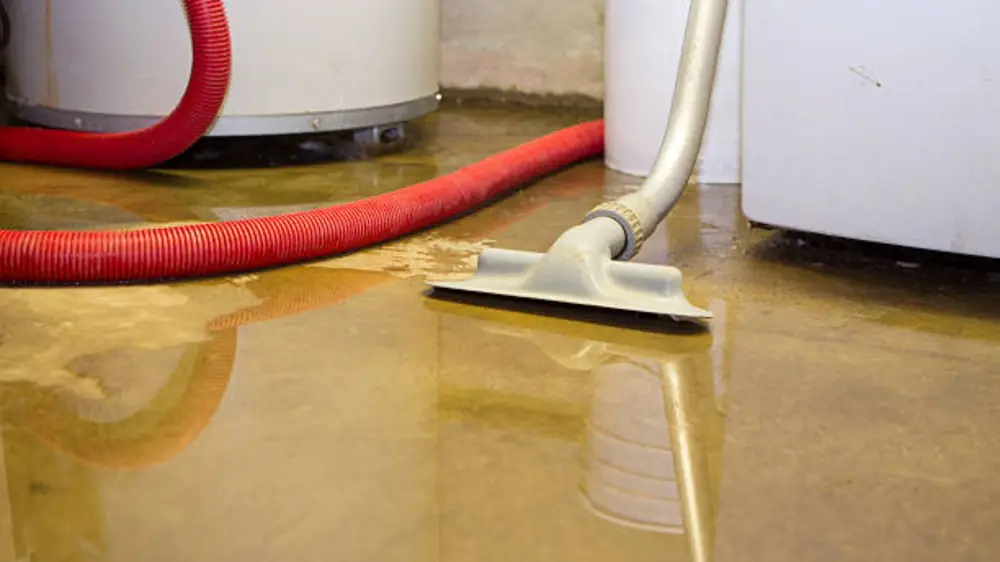
What cleanup looks like, step by step
- Walk the house with you and note what is wet, what is contaminated and what can be saved.
- Remove debris, ruined carpet and pad, wet insulation and damaged drywall and haul it away.
- Clean hard surfaces and framing, then apply an antimicrobial treatment where the water category calls for it.
- Sort and pack out contents that need cleaning off site, and move salvageable furniture to a dry area.
- Treat odors at the source with cleaning and air filtration. Masking sprays do not fix a smell that comes from damp material.
What can be saved and what cannot
| Item | Clean water | Gray or black water |
|---|---|---|
| Hard furniture and tile | Cleaned and dried | Cleaned and disinfected |
| Upholstered furniture | Often saved if dried quickly | Usually discarded |
| Carpet | Often extracted and dried | Removed |
| Carpet pad | Usually replaced | Removed |
| Books, paper, photos | Dried if they were wet briefly | Often not recoverable |
| Drywall and insulation | Dried or cut out depending on saturation | Removed |
A crew confirms each item on site. Keep a list and photographs for your insurer.
Odor after a leak
A musty smell after water damage means moisture is still in a material or behind a surface. Cleaning and deodorizing treat the smell, but only drying removes the cause. If the smell comes back after cleaning, ask the crew to check readings behind walls and under floors, because that points to trapped moisture and is also the setup for mold.
A smell that persists with dark spots on drywall or ceiling is a different problem. The mold remediation page explains testing and the S520 standard.
Debris and disposal in Colleyville
The City of Colleyville provides garbage and recycling collection, and its Public Works department answers questions about what the city will pick up. Water damage debris can be heavy and wet, and a loss usually produces more than a regular pickup handles, so crews haul it away as part of the job. Ask the dispatcher how disposal is included before you agree to a scope.
Cleanup cannot wait?
Call the 24/7 line. We will explain the scope and the price before work starts.
How cleanup is priced and documented
The price depends on how much material is removed, how contaminated the water was, how many contents need cleaning and how much hauling the job needs. For insurance purposes, we record what was removed and photograph it before it leaves the house. Keep your own list as well, with approximate age and value of the larger items.
Coverage depends on your policy. The Texas Department of Insurance says most policies cover sudden and accidental water damage and usually exclude gradual leaks and flood. Ask your insurer before you discard anything large, and photograph it first.
Neighbors in North Richland Hills and the other towns we serve get the same documentation.
Yes. The dispatch line is open around the clock. Same-day response is available when a crew is free, and the dispatcher tells you what to move and what to leave alone while you wait.
For a small clean-water spill on hard floors, yes. For wet carpet, insulation or anything from a sewer or outdoor flood, protective gear and removal methods matter. Call before you start.
Many items can be cleaned or dried when the water was clean and the response was fast. Items that touched sewage or flood water are usually discarded. The crew tells you which is which on site.
By removing the wet material, cleaning, drying and filtering the air. If the smell remains, moisture is still present somewhere, and the readings need another look.
No. Cleanup removes and cleans. Repair rebuilds, with new drywall, paint, flooring and trim, after readings show the structure is dry.