
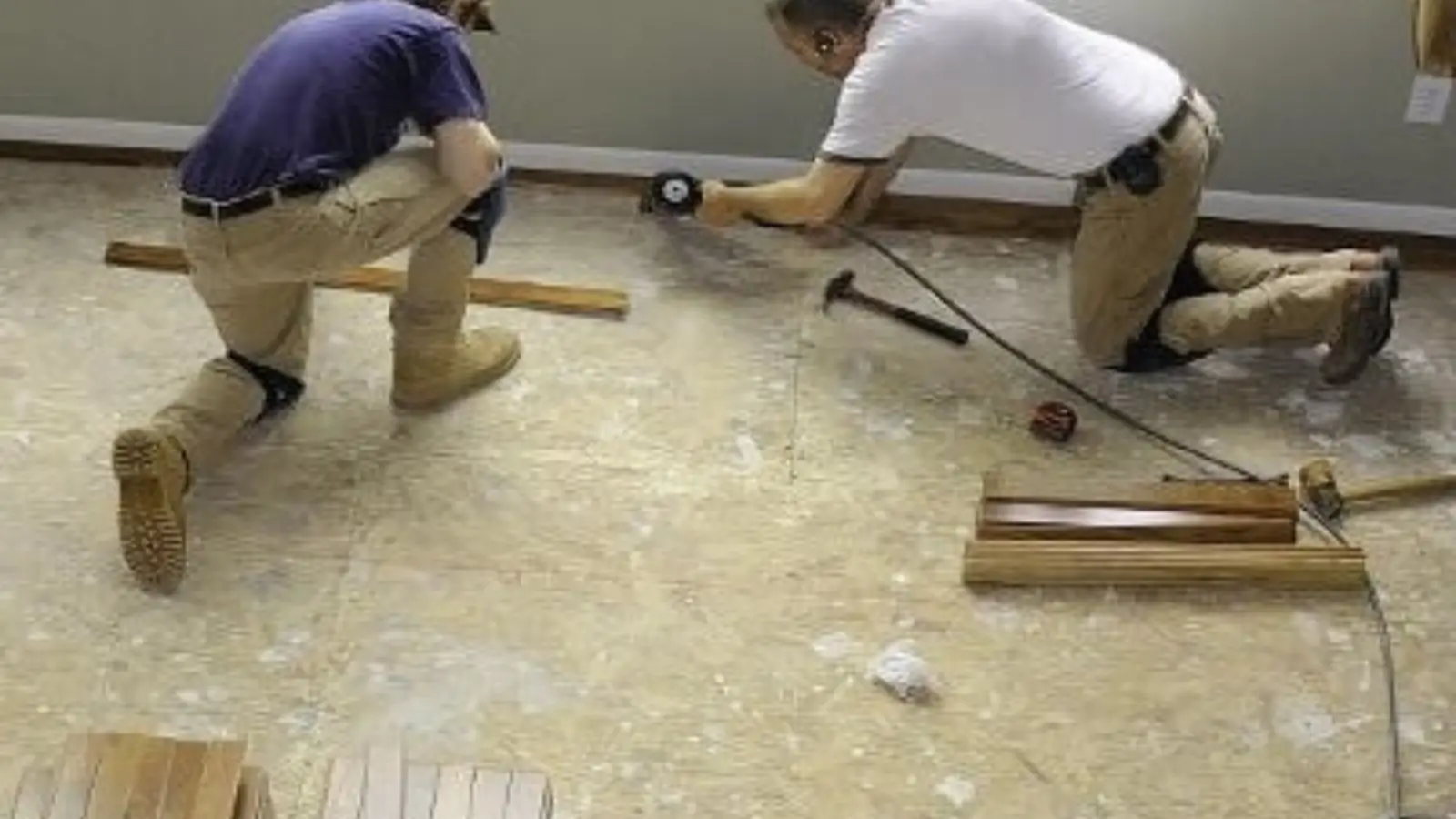
Repair comes after drying, not before
Painting over a damp wall or laying new floor over wet subfloor traps moisture, and the repair fails within months. Water damage repair therefore waits for dry readings. If your house is still wet, start with water mitigation, and if the water is still running, call the 24/7 line before anything else.
Repair is also the stage where insurance paperwork matters most. The Texas Department of Insurance advises homeowners not to make permanent repairs until the insurer has seen the damage, so photos and a written scope come before demolition or rebuilding.
Common repairs and what they involve
| Damage | Typical repair | What decides the scope |
|---|---|---|
| Ceiling stain or sag | Cut out wet or sagging drywall, replace, texture, prime and paint | Size of area, whether insulation above is wet, source of the leak |
| Wall swelling or bubbling paint | Remove damaged drywall and baseboard, replace, finish | Height of the water line, whether the cavity is dry |
| Cupped or buckled wood floor | Dry, then sand and refinish or replace boards | How long the floor was wet, board type, subfloor condition |
| Wet carpet pad and tack strip | Replace pad, re-stretch or replace carpet | Water category, carpet age |
| Wet insulation | Remove and replace once framing is dry | Material type, whether mold has started |
Scope is set by readings and inspection at your house, not by a table.
Ceiling and wall water damage repair
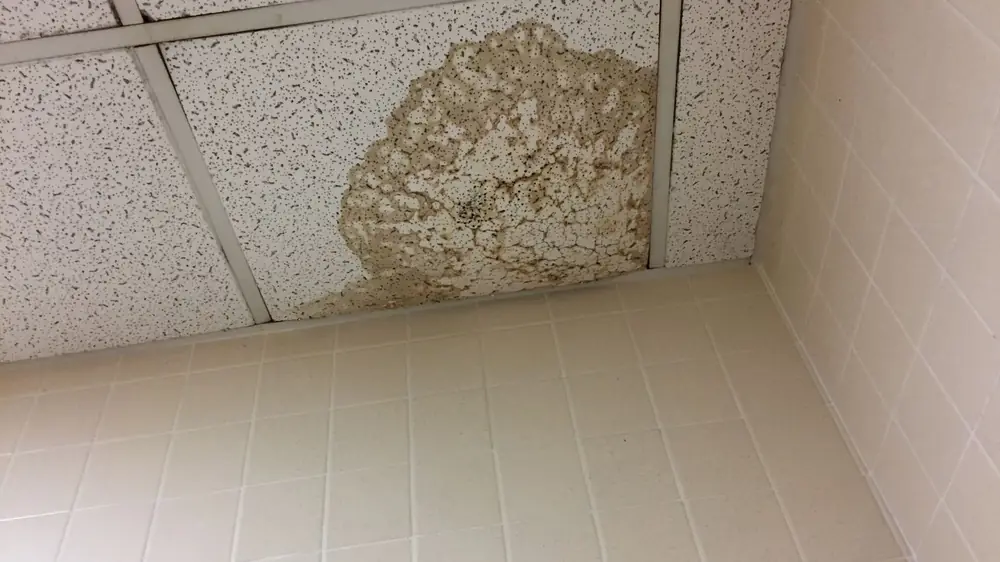
A brown ring on a ceiling tells you where the water reached, not how much damage sits above it. Behind the stain, insulation can hold water and the framing can stay damp for weeks. Painting over the stain hides it and leaves the moisture in place, so repair starts by opening the area and reading it.
Small damage may need only a cut-out of the wet section, new drywall, tape and texture matched to the rest of the room. A sagging ceiling is released and replaced before it falls. Walls follow the same logic: remove the damaged part, let the cavity finish drying, then rebuild. If the damp comes back after a repair, the leak has not been found yet, and it is time to call a plumber or roofer before more drywall goes up.
Roof leaks are a frequent cause in North Texas. The National Weather Service says large hail and damaging wind affect the Dallas-Fort Worth area nearly every year, so a ceiling stain after a storm often means the roof, flashing or a vent boot let water in. A roofer has to fix that entry point before the ceiling is finished.
Wood floors that cup or buckle
Hardwood absorbs water from below and from the surface. As boards swell, their edges rise and the middle dips, which is what people call cupping. If the floor is dried quickly, many boards flatten again, and a refinish brings back the surface. If the floor stayed wet for days, or the boards buckled off the subfloor, replacement is usually needed.
The decision comes from moisture readings taken over several days, not a first look. A floor that appears fine when the water stops can warp a week later as the moisture works its way out, so a crew should wait for stable readings before sanding and finishing.
How a repair quote works
Callers often start with a simple request: someone to look at the damage and say what it will cost. Here is how that works. A crew inspects the area, reads moisture levels and writes a scope listing each material to be removed or replaced and the finish expected. The price is built from that list, and the dispatcher explains the method before the crew is sent.
You are not committing to anything by calling, and you decide whether to proceed after the scope is explained. If the damage is small enough for a handyman or a single trade, we say so.
What drives the price of water damage repair
These are the factors, not prices. A written scope gives the real number.
- Square footage of ceilings, walls and floor affected
- Whether insulation, subfloor or framing has to be replaced
- Finish level, such as texture, trim style and flooring type
- Matching existing paint or flooring across a room
- Whether drying is already complete or still under way
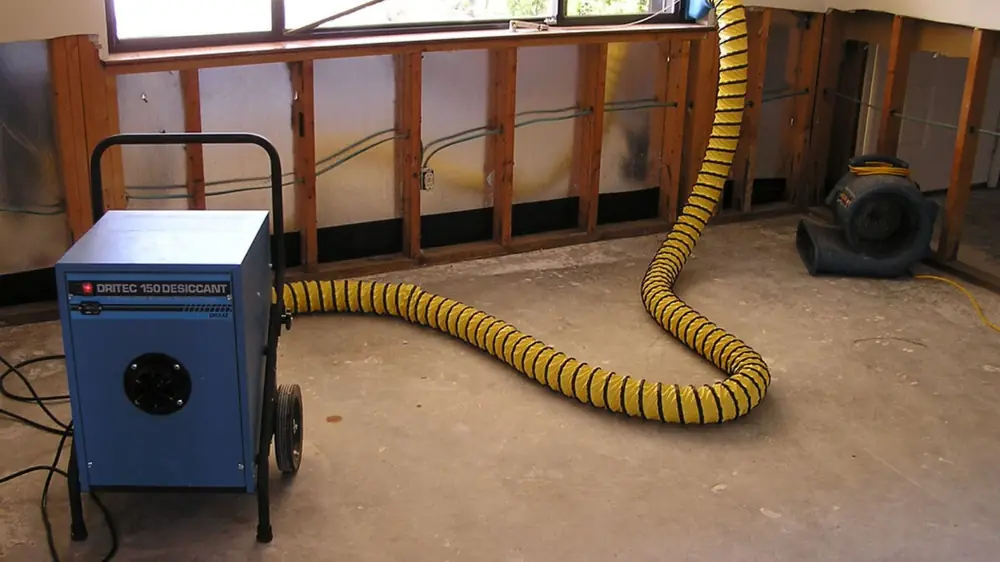
Repair or replace: a simple framework
| Question | If yes | If no |
|---|---|---|
| Has the material been dry and stable for several days? | Repair is safe to start | Keep drying before repair |
| Was the water gray or black? | Replace porous materials | Dry and repair is possible |
| Is there swelling, crumbling or visible mold? | Replace the material | Clean and refinish may work |
| Is the finish original and hard to match? | Plan repair around the whole surface | Spot repair is reasonable |
A crew confirms with readings.
Permits and building rules
Structural repair, electrical, plumbing and some mechanical work can require permits. Colleyville's Building Inspections department handles them, and the city's page lists its permit forms. Permit rules vary by work type, so ask Building Inspections before you start rather than assuming. Surface repairs such as paint and finish work usually do not need a permit, but ask first.
Ready to scope the repair?
Call (817) 623-9267. We will explain the scope and the price before any work starts.
Insurance and the repair stage
TDI says sudden and accidental water damage is generally covered while gradual leaks are generally not, and that flood needs separate coverage. Repair costs are where those differences show up in real dollars. Keep your photos, your scope and any receipts, and read your policy before you accept a settlement. We never promise that a claim will be approved.
The same crews work across the neighboring cities. The Euless page explains the local permit and utility notes there.
Repair starts when moisture readings show the structure is dry, which commonly takes several days after the water stops. Starting earlier risks trapping moisture under new materials.
Texture can usually be matched closely, and paint matching depends on the age and fade of the existing color. Painting a whole wall or ceiling to a corner is often the cleanest result.
Only if moisture is still present or the leak source is not fixed. A stain-blocking primer helps once everything is dry, but it does not stop a leak.
It depends on the work. Ask Colleyville Building Inspections before starting, especially for structural, electrical or plumbing changes.
Sometimes. If the floor dried fast and the boards flatten, sanding and refinishing can work. If it buckled or stayed wet for days, replacement is more likely.