
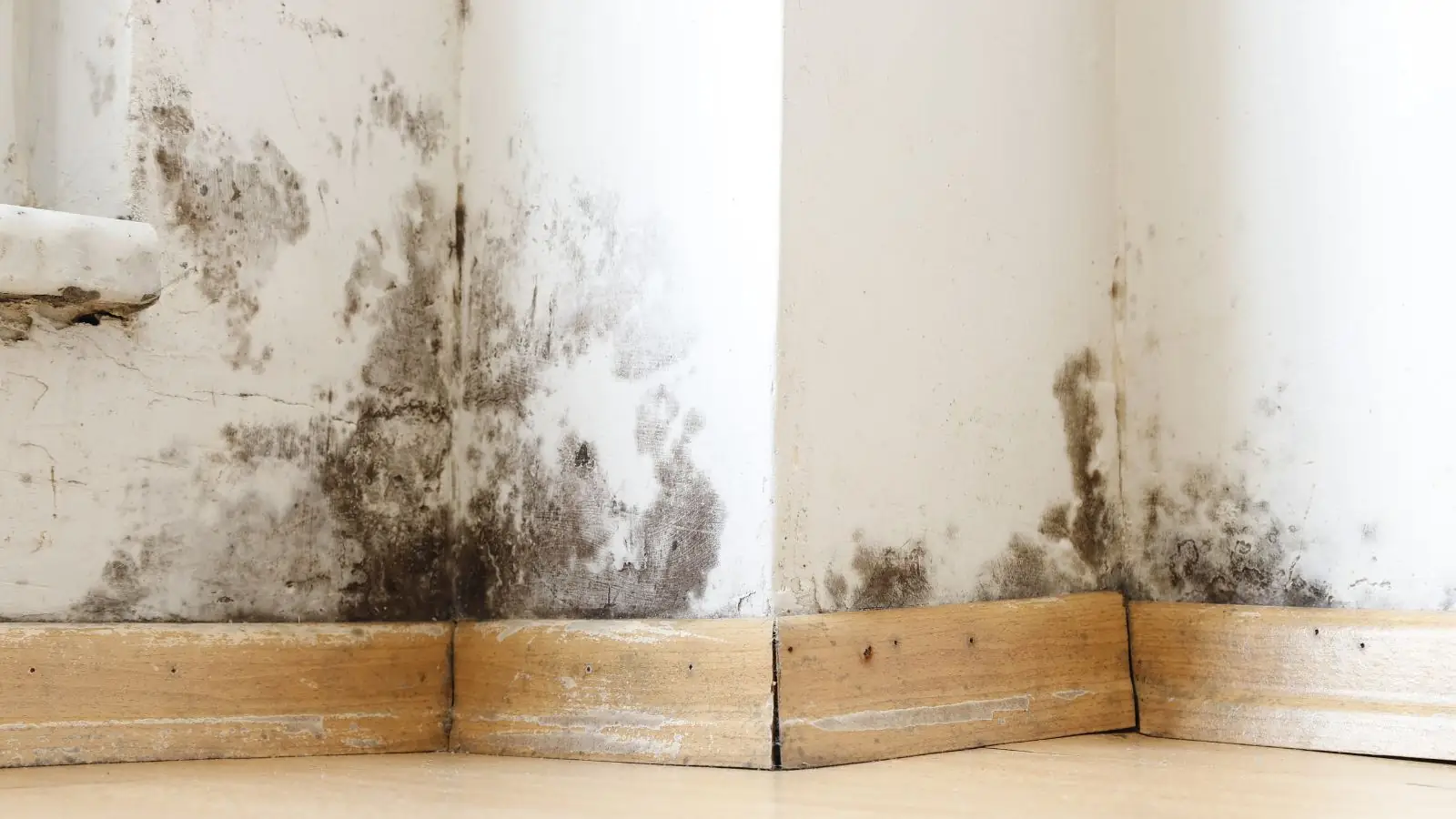
Color does not tell you what it is
People call any dark growth black mold, but mold comes in many colors and a dark patch can also be soot, dirt or mildew. Only lab analysis identifies what is present, and even then the more important question is how much there is and why. A small amount of surface growth is a different problem from growth through a wall.
We do not make health claims about mold. Questions about symptoms belong with a physician.
Three ways people test
| Method | What it tells you | Limits |
|---|---|---|
| Visual inspection and moisture readings | Where moisture is and how far it reaches | Does not identify the type of growth |
| Home test kit | That spores are in the air or on a surface | Spores are normally present everywhere, so a positive is not informative |
| Assessment with lab sampling | Types and levels compared with a baseline | Costs more, and should come with a written report |
Ask what question the test is meant to answer.
What a professional assessment includes
- A walk-through that looks for visible growth, water stains and moisture sources
- Moisture readings with a meter and often a thermal camera
- Sampling, if the assessor decides it is useful, sent to a lab
- A written report of findings and a plan, usually called a protocol
- A follow-up assessment after cleanup to confirm the result
How Texas handles mold assessment
The Texas Department of Licensing and Regulation licenses people and companies that inspect and test for mold, and its guidance says to confirm that anyone who does assessments is licensed. Its FAQ also says a licensee cannot perform both the assessment and the remediation on the same project.
The Texas Department of Insurance, in its guidance on water damage and mold claims, tells homeowners that a mold professional must be state-licensed and should provide a certificate of removal. Rules under the state program say the written protocol must reach the client at least one calendar day before remediation starts.
Independent clearance testing
After remediation, the area is checked to confirm that it is clean. This is clearance. Because Texas separates the assessor from the remediator, many homeowners hire one company for the plan and a different company for the work, and the assessor then verifies the result. If a buyer's lender needs proof that mold was removed, a written clearance report is the document they will want.
We cannot promise what a lender, inspector or buyer will accept, because those standards differ. The mold remediation page lists the questions to ask any contractor.
Steps to take before anyone tests
- Find the water. Check plumbing, the roof, windows, the air conditioner drain and any recent spill.
- Stop the water and begin drying, using the guidance on the water mitigation page.
- Photograph the area and note when the leak happened.
- Do not scrub or disturb the growth. Cover the area if you can and keep people out of the room.
- Call a licensed assessor or a remediation company and ask how they handle testing.
If the growth is the result of a past loss, the water damage cleanup page explains how affected materials are removed. Neighbors in Grapevine and Keller can use the same line.
Questions to ask an assessor
- What license do you hold, and can I verify it on the state site?
- Will you provide a written protocol before remediation starts?
- Do you or a related company perform remediation? Under Texas rules the same licensee cannot do both on one project.
- What samples will you take and what will they tell me?
- How will clearance be done, and will I get a written report?
A good assessor answers these directly. If you get a vague answer or a pitch to hire the assessor's own remediation crew, that is the sign to stop and ask again.
What a report should contain
- The date and the location of every area inspected, with photos.
- Moisture readings and the sources of moisture identified.
- Sample locations and lab results, if sampling was done.
- A protocol that lists areas to be remediated, methods and clearance criteria.
- The assessor's license information.
Keep the report with your home records. It helps with insurance, with a future sale and with any contractor you hire later.
What you can do yourself first
Before paying for testing, look for the cause. Check under sinks, around windows, at the water heater and in the attic for moisture, staining or a musty smell. Take dated photos. Fix any active leak and dry the area, since testing a room that is still wet only measures a problem that is still growing.
Home test kits can show that spores exist, but spores are in every home. They do not tell you how much is too much, so treat a kit as a rough hint and not a verdict.
It rarely answers the useful question, because spores are normally in indoor air. A moisture reading and an inspection tell you more.
We do not make health claims. A lab can identify types, and a physician can answer questions about symptoms.
A licensed mold assessor. Under Texas rules, the same licensee cannot assess and remediate the same project.
Mold licensing is handled by the state through the Texas Department of Licensing and Regulation. For permits on repairs afterward, ask Colleyville Building Inspections.