
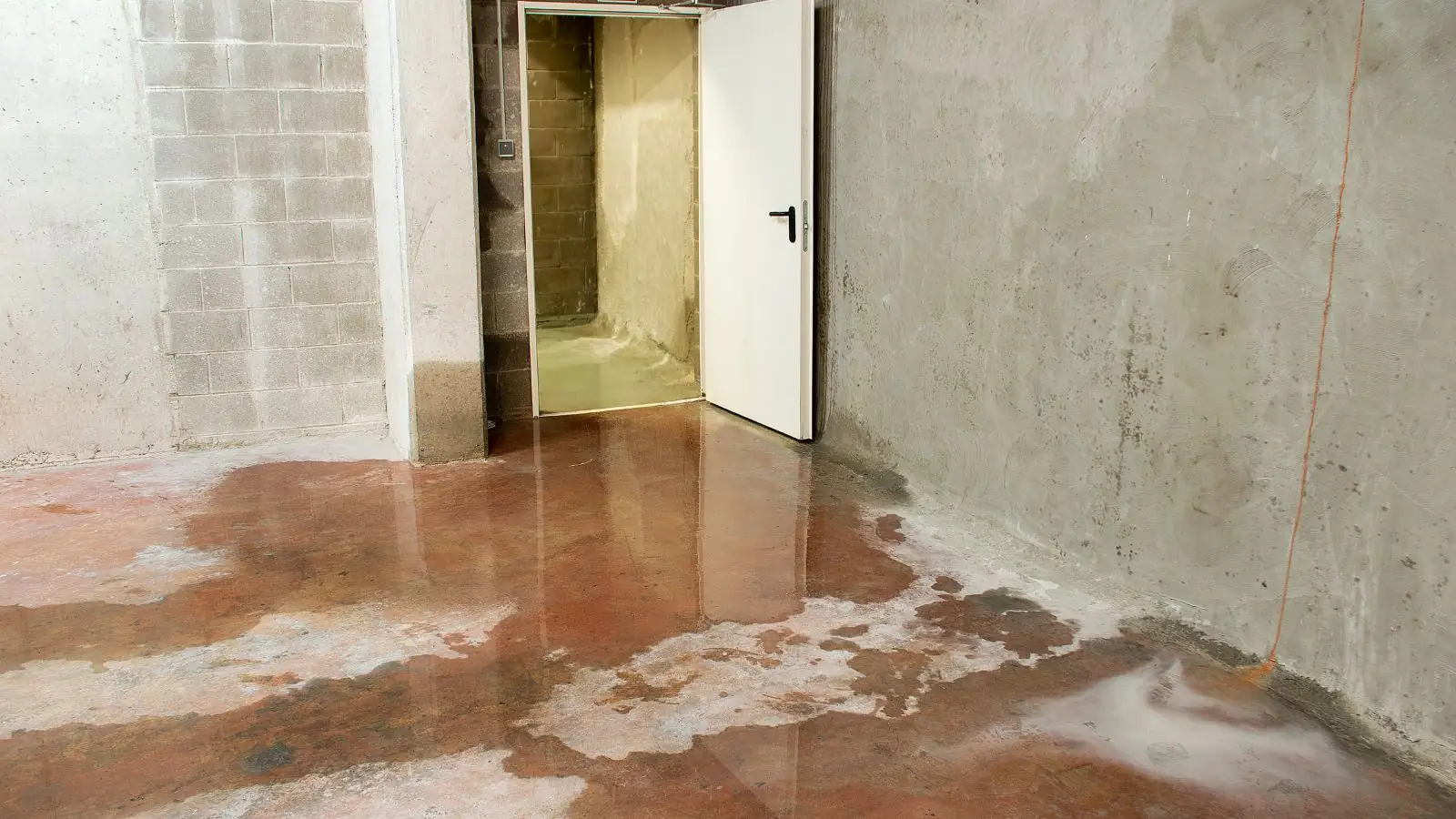
What a slab leak is
A slab leak is a leak in a water line that runs under or inside a concrete slab foundation. Because you cannot see the pipe, the first signs are usually indirect. You may notice warm spots on a floor, the sound of running water when nothing is on, a sudden jump in your water bill or damp carpet along a wall.
| Sign | Why it points to a slab leak |
|---|---|
| Water meter keeps moving with everything off | Water is going somewhere, and not through a fixture |
| Warm spot on the floor | A hot water line may be leaking beneath |
| Sound of running water | Pressurized pipe leaking in the slab or wall |
| Damp carpet, lifted tile or cracked grout | Water is rising through the slab |
| Musty smell along baseboards | Moisture trapped under flooring |
A plumber confirms with leak detection tools.
What to do first
- Shut off the main water valve to the house and see whether the meter stops. If it does, the leak is on the house side.
- Call a plumber who does leak detection. A restoration crew does not locate or repair pipes.
- Photograph damp areas and note the dates you first noticed symptoms.
- Keep your water bills for the last several months.
- Call the 24/7 line if floors, walls or cabinets are wet.
How slab leak damage is handled
The plumber stops the leak, often by rerouting the line or repairing it through the slab. Then restoration starts: removal of wet flooring, extraction, drying of the slab edges and walls and checking for moisture in cabinets and framing. Concrete holds water, and it dries slowest of any material in the house, so floor coverings wait for readings.
A crew places air movers and dehumidifiers, takes readings daily and keeps records. The water mitigation page explains the equipment, and the water damage repair page covers new flooring and trim after drying.
Meter, billing and city contacts in Colleyville
The City of Colleyville provides water and wastewater service and operates its own Utility Billing department, which is the place for questions about readings or account changes. Public Works lists an after-hours line for water emergencies on city property.
A slab leak is usually on your side of the meter, which makes it your plumber's job. The city's billing office can tell you what your meter recorded, and that information helps a plumber decide whether to look for a leak.
Insurance questions to ask
The Texas Department of Insurance says most policies cover sudden and accidental water damage and generally exclude gradual leaks and seepage. Slab leaks can be either, depending on how long the water ran and what your policy says. Many policies treat the cost of reaching the pipe differently from the resulting damage, so ask your insurer how each is treated.
- Does my policy cover access to the pipe, for example cutting through flooring?
- How does it treat damage that occurred over time?
- What documentation do you want from the plumber?
- Do I need to keep removed materials until an adjuster looks?
We record readings, photos and the list of removed materials so you have a written trail. The Texas Department of Insurance also advises homeowners to protect the property and not make permanent repairs before the insurer has seen the damage.
After the leak: mold and floors
A slab leak can run for weeks before anyone knows. Wood floors can cup, carpet can stay wet and baseboards can grow mold. If a musty smell or dark spots appear, read the mold remediation page. Homes in Grapevine and Southlake use the same line.
How plumbers locate a slab leak
A plumber begins by isolating the system with the main valve closed and watching the meter or a pressure gauge. If pressure drops, the leak is somewhere in the lines. Acoustic listening devices pick up the sound of water escaping from a pressurized pipe, thermal cameras can show a hot water line warming the slab, and electronic tracers can follow a line under the floor.
After the location is known, the plumber cuts or breaks through the floor at that spot, or chooses another route for the line. The restoration crew then dries the damage and a flooring contractor finishes the surface.
Repair choices
| Option | What it involves | Typical fit |
|---|---|---|
| Spot repair | Open the slab at the leak and replace the damaged section | A single, accessible leak |
| Reroute | Run a new line through walls or the attic and abandon the old one | Repeated leaks or hard-to-reach pipe |
| Repipe | Replace the lines throughout the house | Widespread corrosion or several leaks |
A licensed plumber recommends the right option after testing.
Ask the plumber for a written report with photos of the leak location and cause. Your insurer may want it, and so will the restoration crew when they plan drying around the repair.
Turn off every fixture and check the meter. If it still moves, the leak is between the meter and the fixtures, and a plumber can narrow it down.
No. Pipe repair is a plumbing job. We handle extraction, drying, cleanup and rebuild.
No, but a long leak raises the chance. Dry readings and a check of baseboards and flooring answer the question.
Start with the city's Utility Billing department about your meter reading, and call a plumber to check for a leak on your side.